This blog post contains affiliate links.
You might have guessed it by now, but I’m kind of a fan of a certain wallcrawling, web-slinging superhero. And while I may not always know how to anticipate my enemies’ attacks, I’m reasonably attuned to some of the desires of those who think Spider-Man and his friends are pretty great. While it might be a little late in the holiday season to grab these gifts or stocking stuffers, the nice thing about them is they make excellent selections for the Spider-Fan in your life the whole year round!
This was originally intended to be a single post covering a wide range of gifting ideas, but there are SO MANY different gift categories that feature Spider-Man, I’ve decided to break it up into several posts covering different gifting areas. Each article will contain links to both specific items and to general shopping areas where you can browse for other items in that section. We’ll cover the gamut, from graphic novels and video games to movies, collectibles, clothing and accessories that feature Spider-Man, Miles Morales, Gwen Stacy, and so many of the characters we’ve come to know and love over the years.
And while these are by no means exhaustive listings of Spider-Man gift ideas, they should provide an excellent start to searching for something to satisfy your beloved Spider-Fan’s web-slinging heart! We’ll start with arguably the most popular category, narrative media — movies, TV shows, books, and video games!
So with that said, let’s have a look at some of the best gifts you can grab for your Spidey-obsessed friends, family and loved ones!
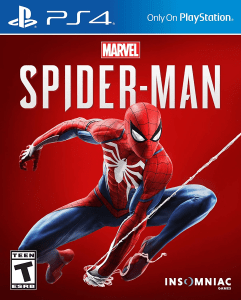
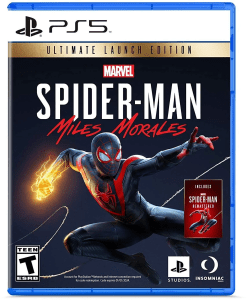
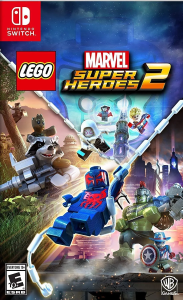
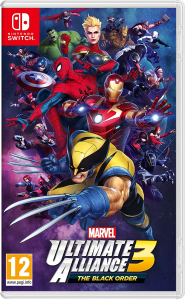
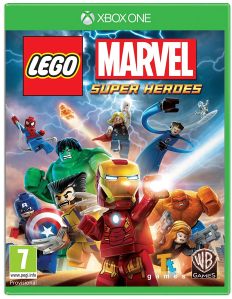
Spider-Man has been featured in an enormous amount of video games, from a self-titled Atari 2600 game in 1982 to the spectacular 2018 Marvel’s Spider-Man and its superb half-sequel Marvel’s Spider-Man: Miles Morales. In addition, he (and other Spider-Folks) have been a part of various Marvel video games, such as the LEGO Marvel Super Heroes and Marvel Ultimate Alliance games. While there are probably too many to list here, and not all of the games he’s been in are guaranteed hits, there is no denying that the web-slinger is a hot commodity who’s basically made for video gaming.
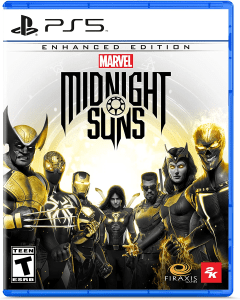
In addition to the two latest Spider-Man games, we’re getting a sequel in Marvel’s Spider-Man 2 in 2023. Here are a few personal recommendations for video games in which you can play as Spider-Man.

Graphic Novels — Spider-Man was created 60 years ago, and has been starring in his own comics as well as guest starring in others ever since. There is a LOT of lore that has developed in that time, much of which the movies, video games, and other media have pulled inspiration from to portray their particular depictions of Peter Parker, Eddie Brock, Miles Morales, and so forth. The adventures, trials, and tragedies Peter and his friends have endured in the comics over the decades feature compelling narrative, fantastic artwork, and tie-ins to the greater Marvel Comics universe.
Some stories from Spider-Man lore are truly iconic and stand out among the others. While I have many more recommendations than what’s shown here, this is a good sampling of tales from Spidey’s very storied history.
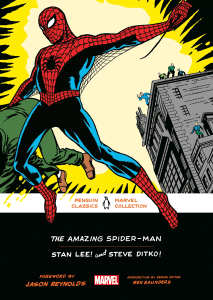
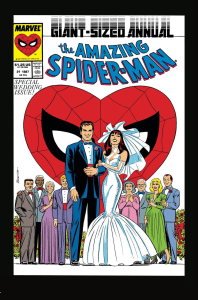
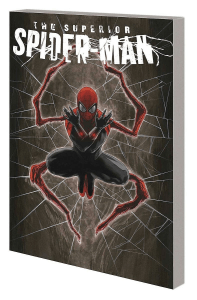
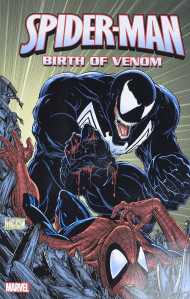
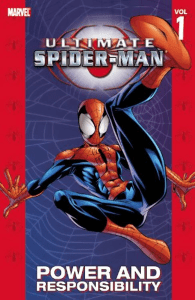
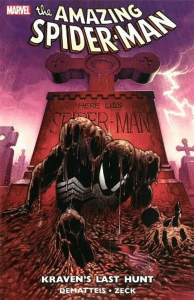
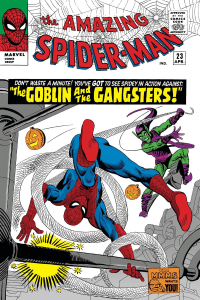

Movies — Spider-Man’s influence at the box office can not be denied. Filmmakers, moviegoers, and critics can’t seem to get enough of the webhead, no matter what they might actually say. While they’re not all smash successes, the overall body of Spider-Man films–as well as those of Spider-Man adjacent characters–makes for a much beloved and well regarded collection of stories. While I often watch the films digitally, I also like to have DVDs or Blu-Rays of them in case I somehow find myself without internet and craving a Spidey movie fix.
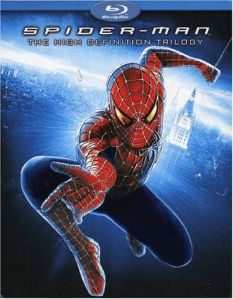
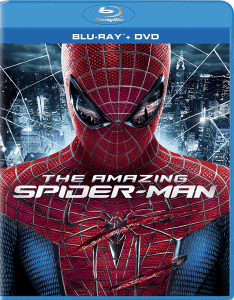
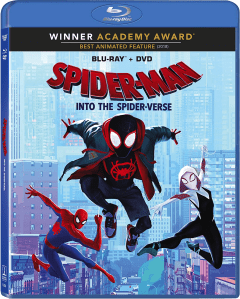
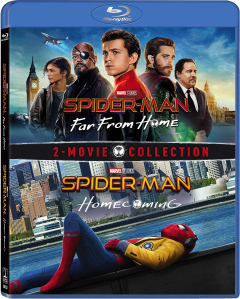
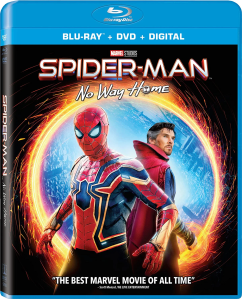


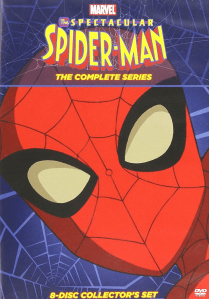
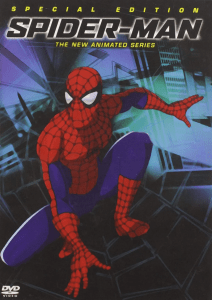
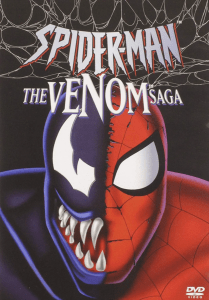
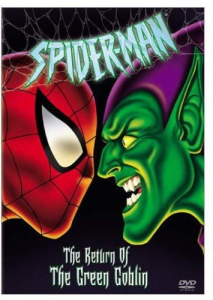
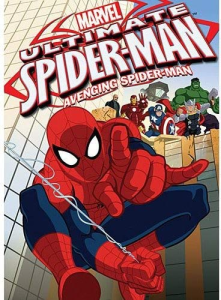
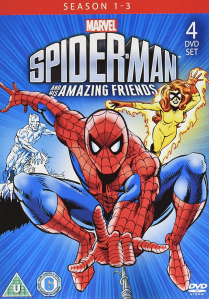
TV Shows — My first memories of Spider-Man come from the cartoons, and I struggle to remember a time when there wasn’t some iteration of the wallcrawler on the small screen. While there have been many versions of the webbed wonder on television–mostly, but not exclusively in animated media–it goes without saying that some shows were better than others. With that said, television has often been the first point at which children meet the arachnotastic superhero, and through which some of them are cultivated into Spider-Man enthusiasts.
A good number of these series are not available in boxed sets, but you can make up for some of these gaps by checking which streaming services, such as Disney Plus, offer them.
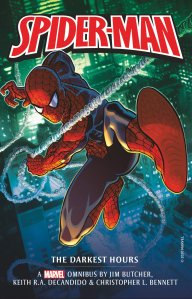
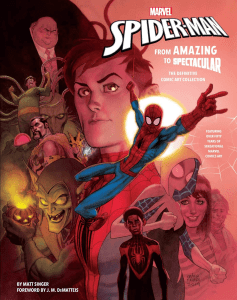
While comic books and graphic novels probably come to mind first when most people think about Spider-Man, it is well worth noting that there is plenty of (primarily) prose media that covers the exploits of the wallcrawler, both in the fictional and non-fiction realms. While many of the novelizations are products of their time from several decades ago (and therefore difficult to find), there exist plenty of guides, encyclopedias, timelines and so forth that discuss the chronicled history of Spider-Man and his friends. These resources tend to get updated every so often, as Spidey’s adventures are always ongoing on the comics.


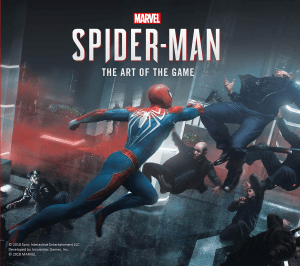
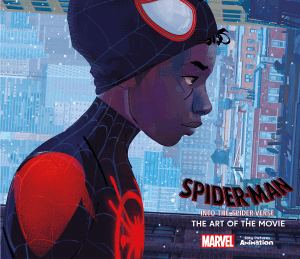
As you can see, there’s no shortage of adventures to read, play, and watch where the web-slinger is concerned. The items featured above are worthy additions to any Spider-Fan’s library, and will hopefully inspire some gift ideas as you shop for them.
Keep an eye out for the next post in this series, covering Spider-Man collectibles, in the near future!





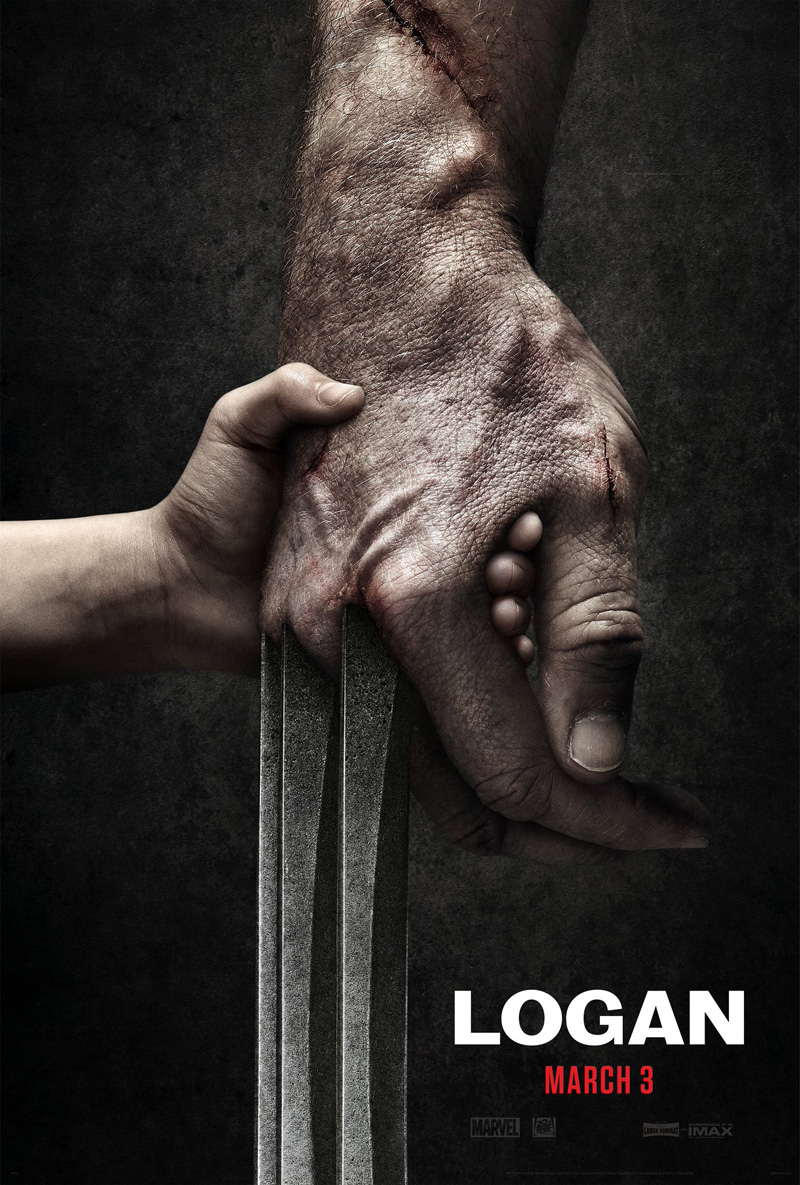
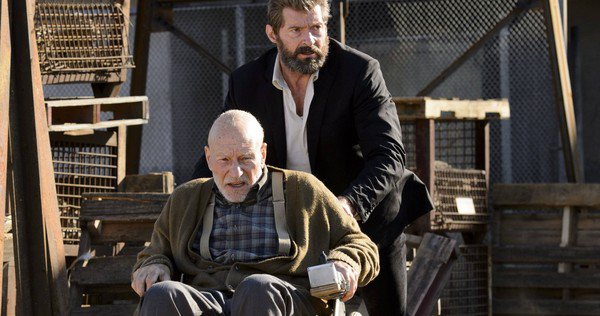 This setup makes for a dark, gritty, and often violent story that only gets darker as the exposition continues. An older Charles Xavier (the ever-venerable Patrick Stewart) is now prone to seizures, which cause him to psychically lash out to anyone nearby during his episodes, and Logan has to keep him both isolated and medicated, and works as a driver to try to make ends meet. When a woman approaches him with a request for help, he is soon pulled into a chase that involves him far more intimately than he could have imagined. Pursued by a ruthless agency, Logan and Xavier embark on a road trip that may spell the end for them, even as it delivers hope to a new generation of mutants.
 Logan has aged, in several notable ways. He clearly looks older now, which makes sense given that Hugh Jackman himself has aged in the last 17 years. But there’s more: his healing factor is no longer working the way it used to, and appears to be slowly failing him. He has wounds that no longer heal, he looks older and more beaten-down, and he’s overall in a darker place. He can’t just slash his way through a fight anymore and expect to self-patch up afterwards. He’s playing reluctant nursemaid to Xavier, and the two have clearly had their differences during this time, even if it’s clear they still care for one another.
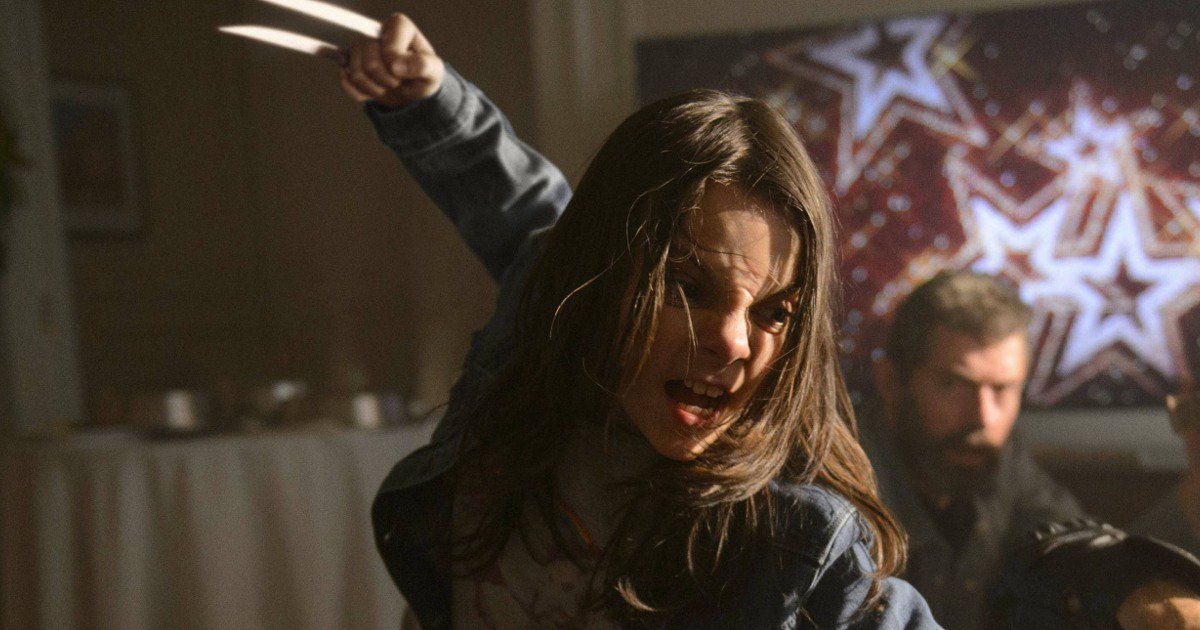 Of course, the most obvious way in which Logan has aged is embodied in the character of Laura (played perfectly by Dafne Keen), who anyone who’s familiar with the comics will know is X-23, a.k.a. Laura Kinney, a.k.a. a clone of Wolverine. She looks like him, acts like him, and has his power sets and gifts, in virtually every way identical. When it’s confirmed that she was indeed cloned–well, actually birthed in the film–using his genetic material, Logan has to deal with the fact that, like it or not, he is responsible for her–something he is clearly not eager to do.
 The importance of relationships is also a strong theme in Logan. Logan and Xavier. Logan and Laura. Laura and Gabriela (Orange Is the New Black‘s Elizabeth Rodriguez), the nurse who died to get her to Logan. Laura and Xavier. There are genetic obligations, there are relationships that are built on the foundation of a long association and trust, and there are familial relationships. It’s telling that Logan leaves Laura behind when they first come under assault, grabbing Xavier and saying, “She’s not our problem.” Clearly this changes as he learns about his connection to Laura from Gabriela’s recording and Xavier’s prodding, but the real sense of family between those two doesn’t come through–at least from Logan–until nearly the film’s end.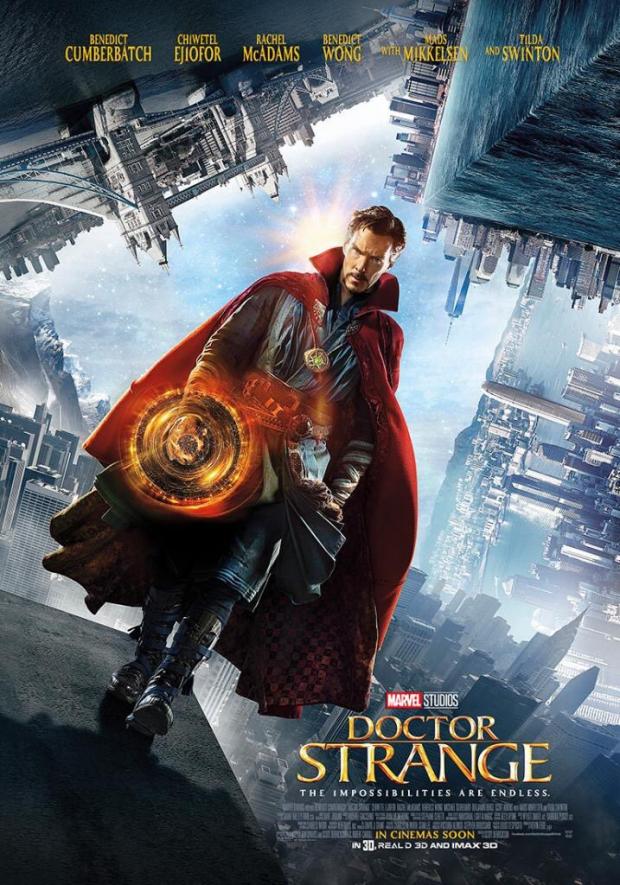
 I had the benefit of going and seeing an early screening of Marvel Studios’ Doctor Strange this evening. It’s enjoyable, as Marvel movies tend to be, though it could easily be charged with taking the mystical end of the Marvel Cinematic Universe and going through the same motions we’ve seen in the earlier films, but with trippier effects.
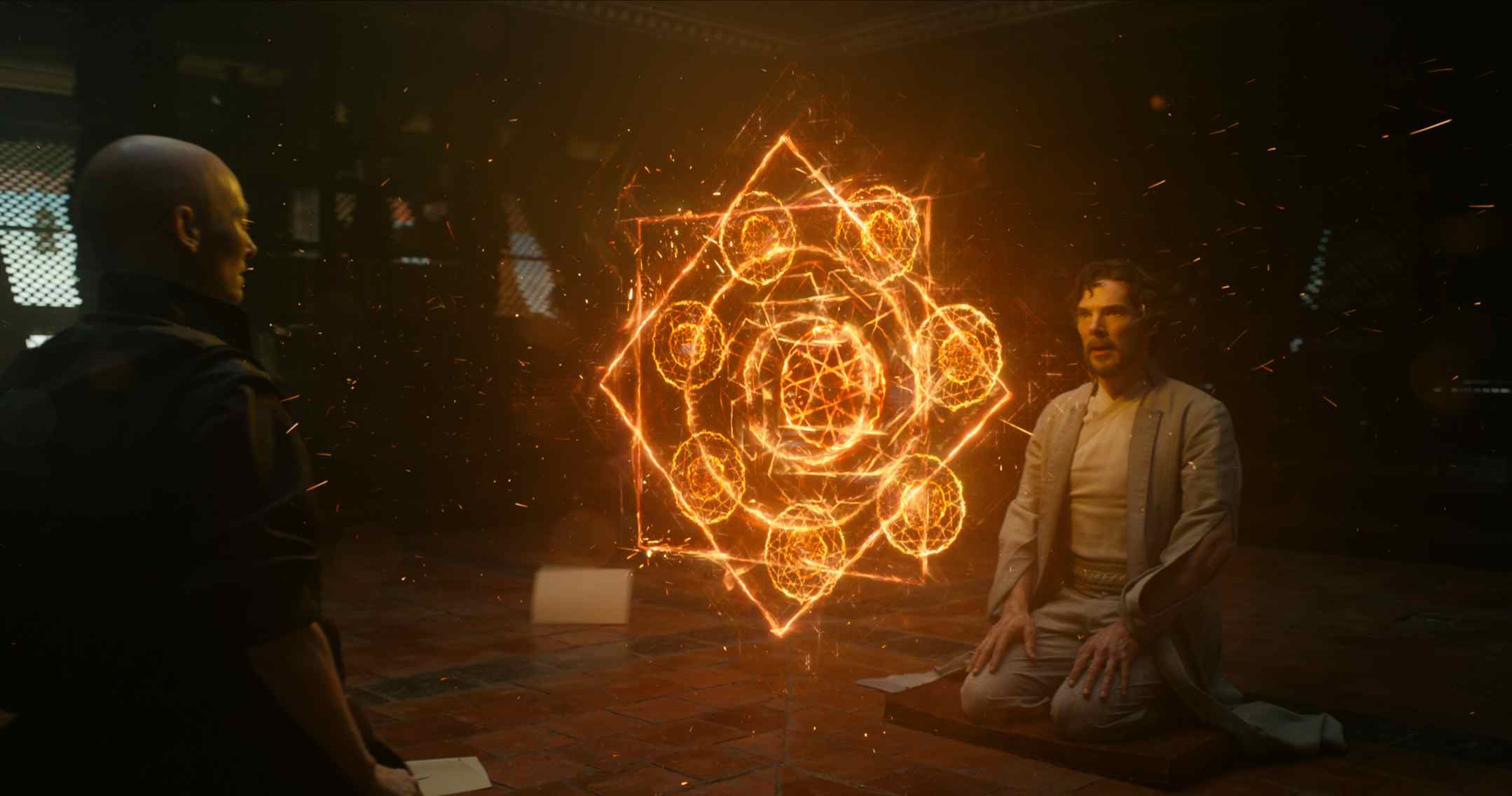 The supporting cast is also ably utilized. Tilda Swinton’s Ancient One brings surprising warmth and introspection to a role I was expecting to be otherworldly and almost uncaring. Chiwetel Ejiofor is superb as Karl Mordo, whose power and experience is only matched by a certain regimentedness of purpose that he can’t quite ever seem to shake. Rachel McAdams is Strange’s romantic interest, Christine Palmer, who has a few amusing scenes reacting to Strange’s antics (both mystical and not so mystical), but is otherwise not terribly memorable.
 And then there’s the villain. Marvel’s tendency to do lousy movie villains (Loki notwithstanding) is intact and going strong. Mads Mikkelson’s character Kaecilius is someone of whom I’d never heard until this film, and it turns out I didn’t need to know much about him, in the worst ways possible. He’s out to remake the world anew, and willing to destroy reality to make it happen. Armed with a bland fanatacism and an even blander cadre of disciples, he’s less of a threat and more of an inconvenience, as Strange soon deduces.
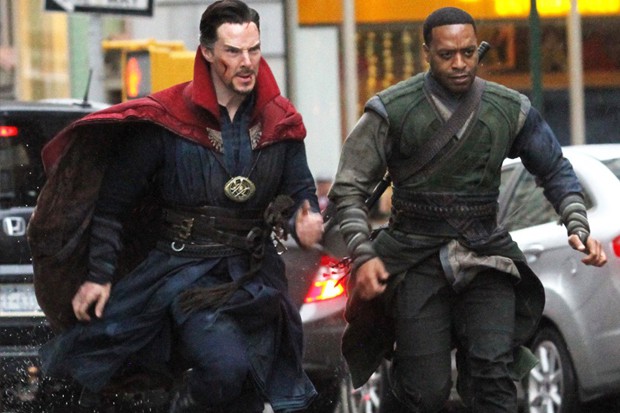 There’s the Marvel blend of action and humor, some of which you can see coming, but which ultimately works out. A few of the jokes in particular come out of nowhere, making them rare gems indeed. Stan Lee’s requisite cameo comes at a moment you can hardly miss. And the post credit scenes are definitely worth sticking around for, both for humorus and plot-driven reasons. Definitely worth a view, and I would say this is one of the few times I’d lobby for seeing it in 3D IMAX if possible.
 I’m a librarian by profession, so I had easy access to the means to acquire it. I put a hold on the book, got it a few days later, and started reading. It was a fascinating book, but as many of you know, life often gets in the way of your leisure reading time. I was only about 100 pages into the book when it came due, so I went to renew it–and found that another library customer already had a hold on it.
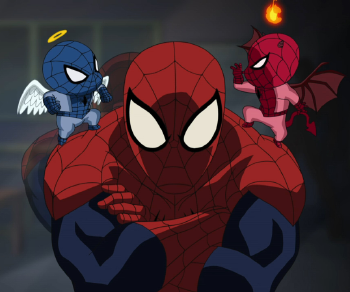 The rogue whispered in my ear to finish Catch Me If You Can. I could have kept the book, which I was really enjoying and really did want to read. I could delay for however long it took me to read the book, which wouldn’t have been that long, right? What harm could really come of it?
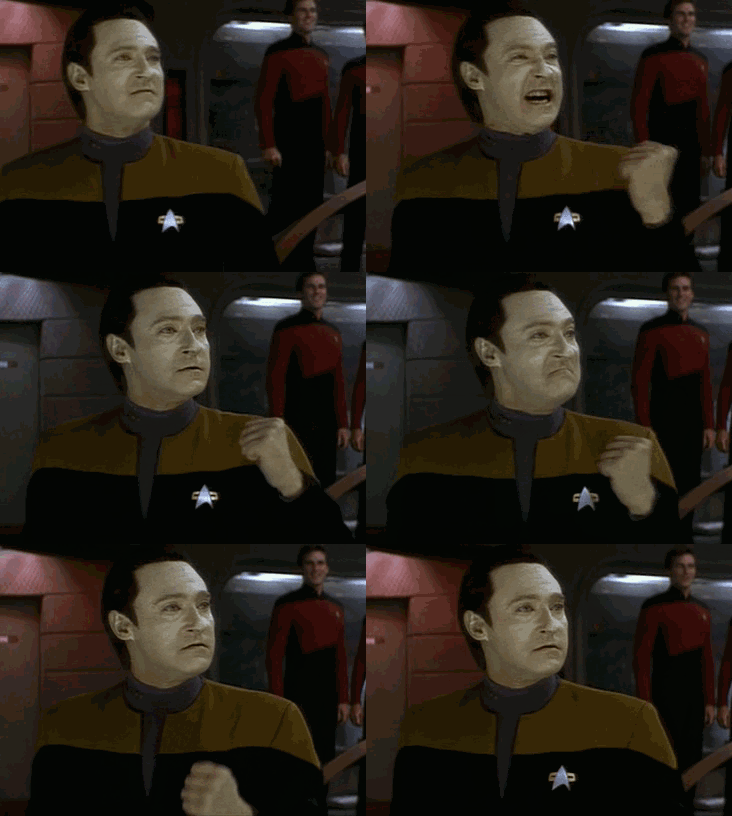 I didn’t actually let out a whoop and jump for joy, but I did do a small arm pump and grin big as I checked the audiobook out. I actually really enjoy audiobooks, and spent enough time in my car that I would easily finish this one within two week. I decided to start listening to it from the beginning, and ended up loving the whole thing.
 Anyone who knows me can tell you that I’m a big fan of the MCU that Marvel Studios started back in 2008 with Iron Man and The Incredible Hulk. I love the interconnected nature of the movies, and how they reinforced the notion that these were characters whose actions would affect the plots and developments of others that came along. It was a brilliant way to conceptualize and bring together a movie franchise, and it was so uniquely a Marvel opportunity, that I knew their film The Avengers was going to be a huge hit, even as far back as Iron Man, when it was only being hinted at.
 With the ever-present phrase “It’s all connected” a seeming mantra of the entire universe, it seemed a no-brainer that there would be plenty of connections, however tenuous, between the films and the shows that emerged on ABC and Netflix. And as far as Agents of S.H.I.E.L.D. has been concerned, they’ve made plenty of references to the films to show they’re connected, from having some of their stars (Thor‘s Jamie Alexander, The Avengers‘ Cobie Smulders and Samuel L. Jackson, and Captain America: The First Avenger‘s Haley Atwell jump quickest to mind) appear on the show, to having episodes and plot arcs made in direct response to the events of the films. Netflix shows Daredevil and Jessica Jones have made small, oblique, blink-and-you’ll-miss-them references to the films, but thus far have mostly kept to themselves in terms of really connecting to anything else.
 Come on, Marvel Studios. Would it really be that hard for you to do that little?
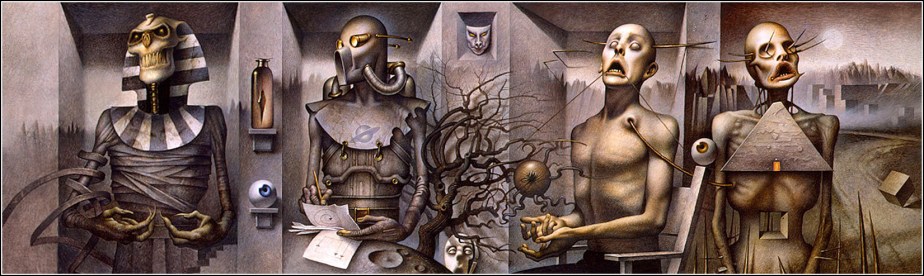
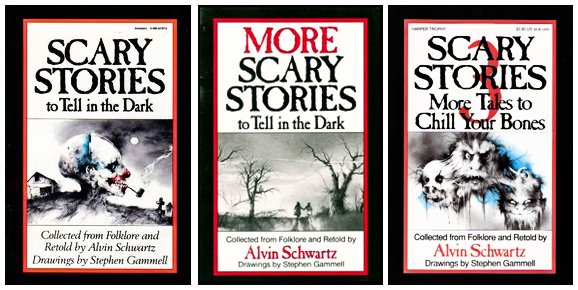
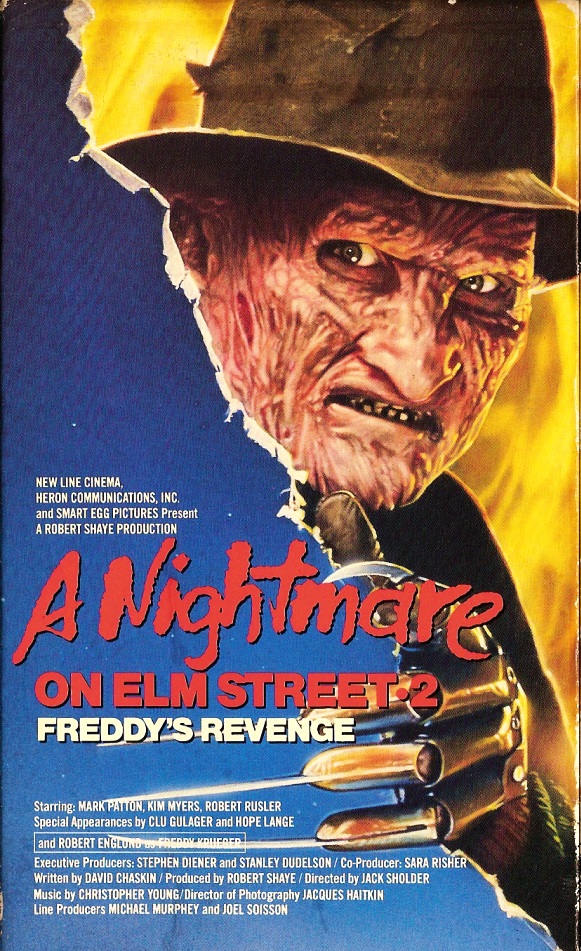 I don’t think it helps that my first exposure to these films was A Nightmare on Elm Street 2: Freddy’s Revenge, where Freddy seemed particularly more vicious than I’d see in the later films (though the first classic one was also a pretty good horror film on its own thanks to Robert Englund’s performance). Not only was he killing people in their dreams once they fell asleep–a terrifying enough premise all on its own–but he was also possessing one particular teen-aged character once he fell asleep in order to do it. In any case, the terrifying, claw-gloved antagonist of this series would go a long way in making sure I resisted the urge to fall asleep as much as possible for many years. It probably helps explain why I’m such an effortless night-owl by default.I’d thought I wouldn’t be able to take Freddy seriously when they made him more of a clownish killer in the later Nightmare movies, but Wes Craven’s Final Nightmare did a good job of establishing how and why this character existed, and temporarily renewed my interest in him. I wish they would have explored that when they rebooted by series a few years ago, but unfortunately they didn’t, and I was left wanting for another good Nightmare film. Hopefully someday, someone with the right skills can come along and make Freddy frightening again.
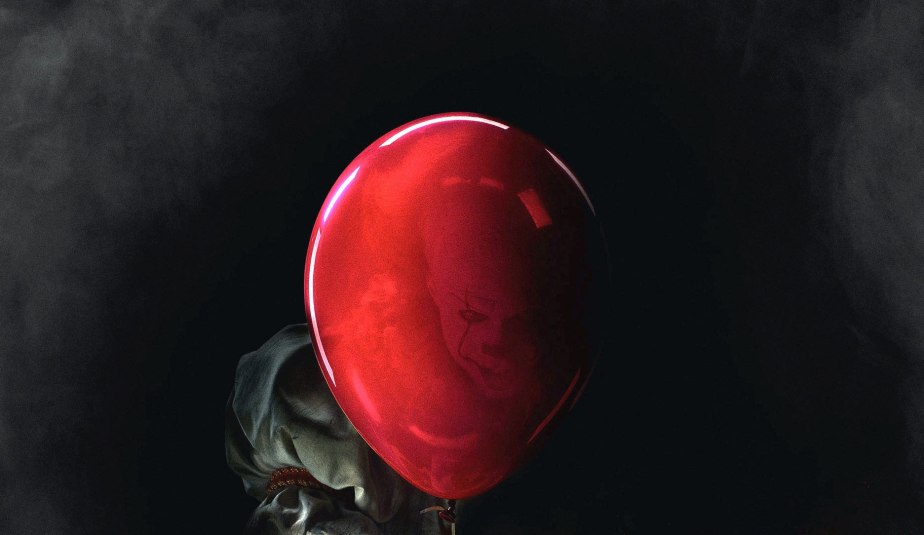
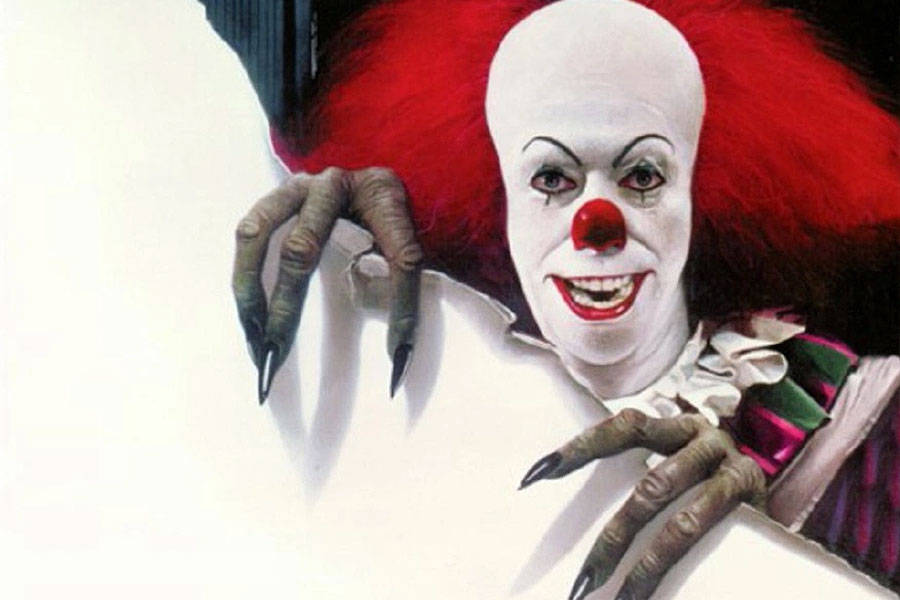 This film, along with honorable mention Poltergeist, is no doubt responsible for more than a few people’s irrational fear of clowns, though I myself never succumbed to this. And with Tim Curry’s simultaneously comical and vicious portrayal of the character (or rather, the main physical manifestation of said character), it became one of the movies that came quickest to mind whenever I thought about things that scared me. A creepy… no, scratch that–terrifying clown, who you couldn’t even really kill, and who could psychically torment you across distances? A monster in disguise made to lure children to their doom? Yep, I’m pretty sure that’s pure, unadulterated nightmare fuel.
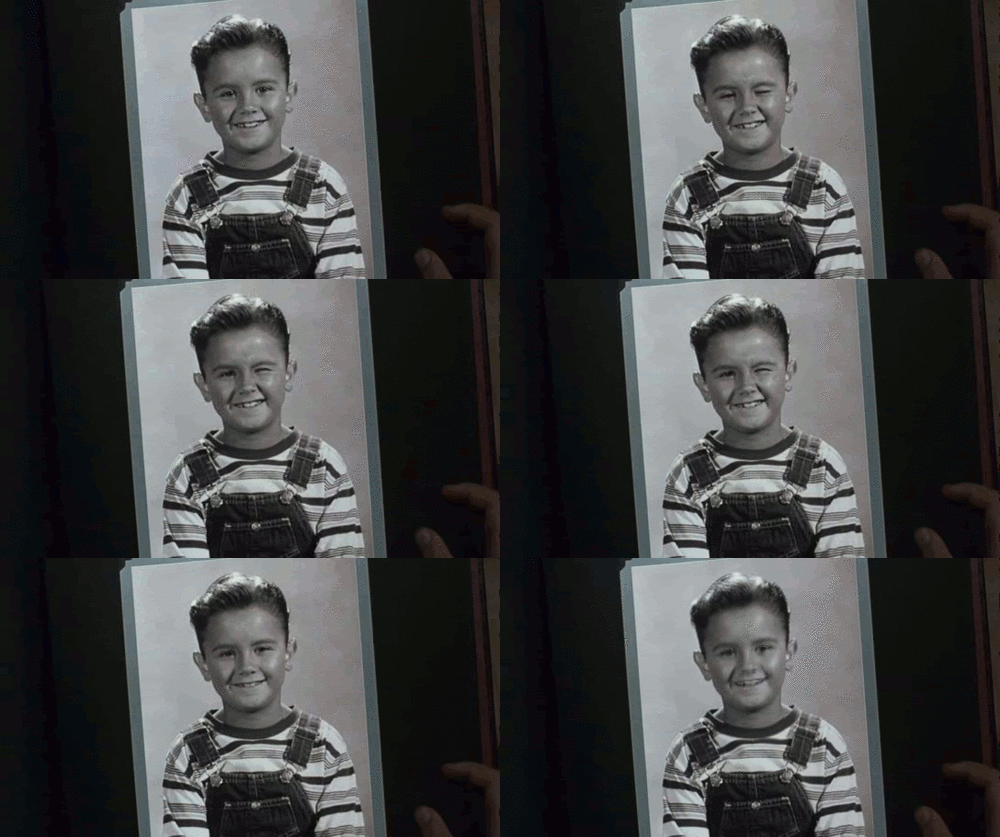

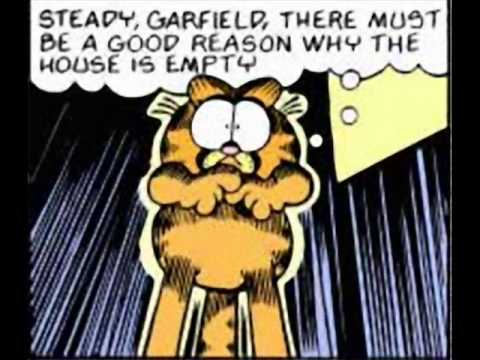 I remember reading this series of comic strips during a week in October when I was around 10 or 11, and it was a harrowing experience to say the least. For a comic that had had a consistent style and premise, both of which revolved around the life and antics of a surly, lazy cat and his companions, this abrupt shift in tone and mood was unsettling from the get-go. The premise, that Garfield was in fact a lonely, starving cat who lived in a dilapidated and crumbling house, and that his actions with Jon and Odie in the warm, well-kept abode readers had come to know are merely the self-delusions of an individual suffering from starvation and extreme denial, left an indelible mark on my appreciation for Jim Davis to tell a good horror story when he wanted to.There’s an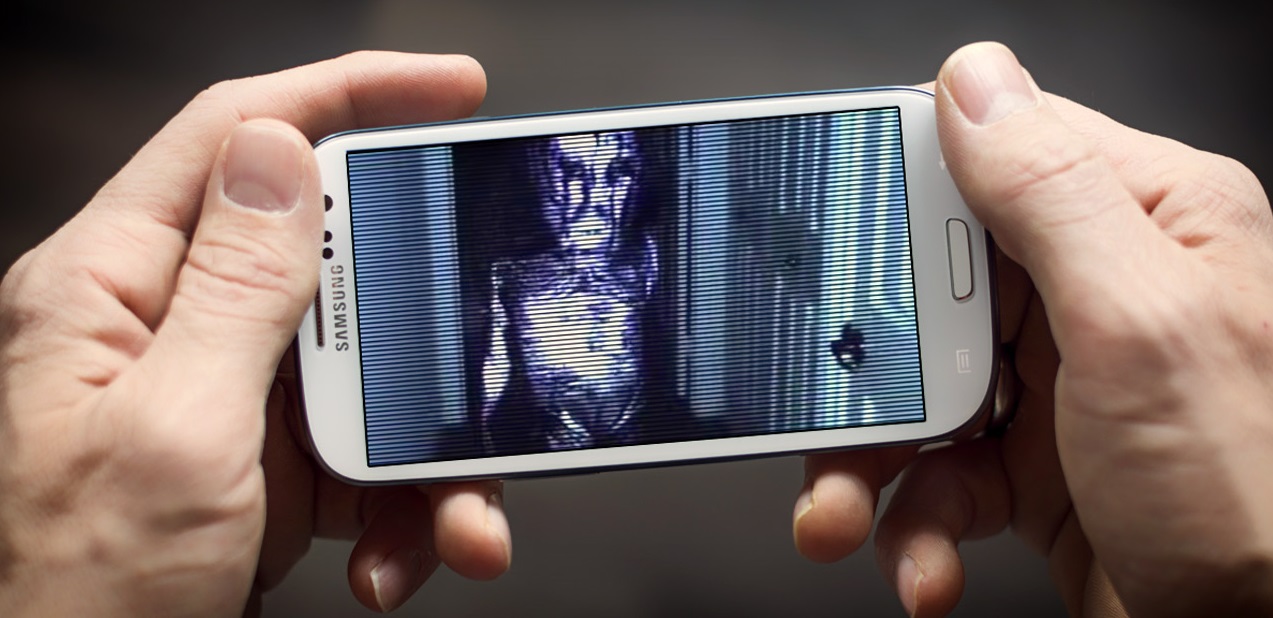
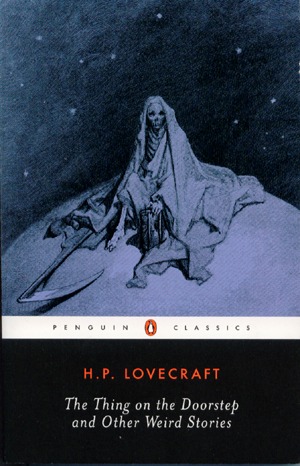 This isn’t the most famous of HP Lovecraft’s stories, and certainly suffers at times from his tendency to over-verbalize, but this first exposure to his works instilled in me both a love for the writer and a visceral sense of terror at this story’s premise. It mostly comes down to the central premise about the story being about possession, and the extremes of one particular entity’s willingness to take over the bodies of others, but there are other elements and themes of this story that creep me out as well. That this little gem of a horror story both begins and ends with the author’s imprisonment in a mental facility leaves the reader more than a little discomfited at the entire experience, which is exactly how you should feel when reading Lovecraft. Well done, Mr. Lovecraft. Well done.
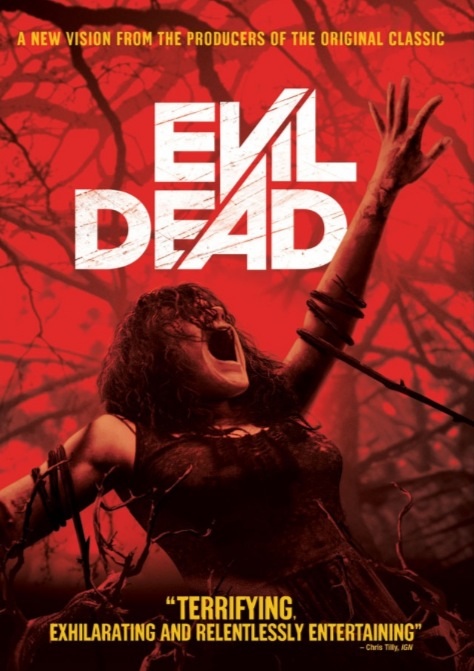 In the last decade or so, there have been a slew of remakes of old horror films that have really driven home the scares. Not that the originals aren’t perfectly hair-raising on their own–I can recall more than a few of them keeping me up at night–but the sheer level of visceral terror involved in such films as Rob Zombie’s 2007 remake of Halloween and Fede Alvarez’s 2013 reimagining of The Evil Dead just make it seem like the creators were really out to get moviegoers. There’s also no doubt that with the advances in movie effects, films such as these are ripe for an upgrade.
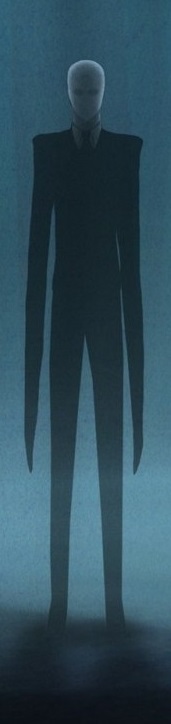 I pretty much couldn’t close out this list without mentioning Slenderman (a.k.a. the Slender Man), whose emergence onto the internet and into the collective consciousness of a generation has been both fascinating and horrifying to behold. The unnaturally tall, thin, blanked-faced character dressed in a black suit tends to stalk, abduct, and otherwise traumatize people, disrupting video feeds and often causing others to disappear without a trace. Having only graced the internet with his presence since 2009, Slenderman is a very new phenomenon that demonstrates just how powerful a well-conceptualized image and premise can be online.It’s Slenderman’s fame in particular that intrigues me, as he’s basically gone from a nonexistent thing that has no influence on the world to a nonexistent thing that now exists very strongly in the minds of others, and who very arguably influences the world in which he doesn’t exist, fitting the definition of an egregore. This is very evident not only in the number of stories, creepypastas, artworks, video games, and other multimedia in which the character continues to pop up, but also in the unfortunate
 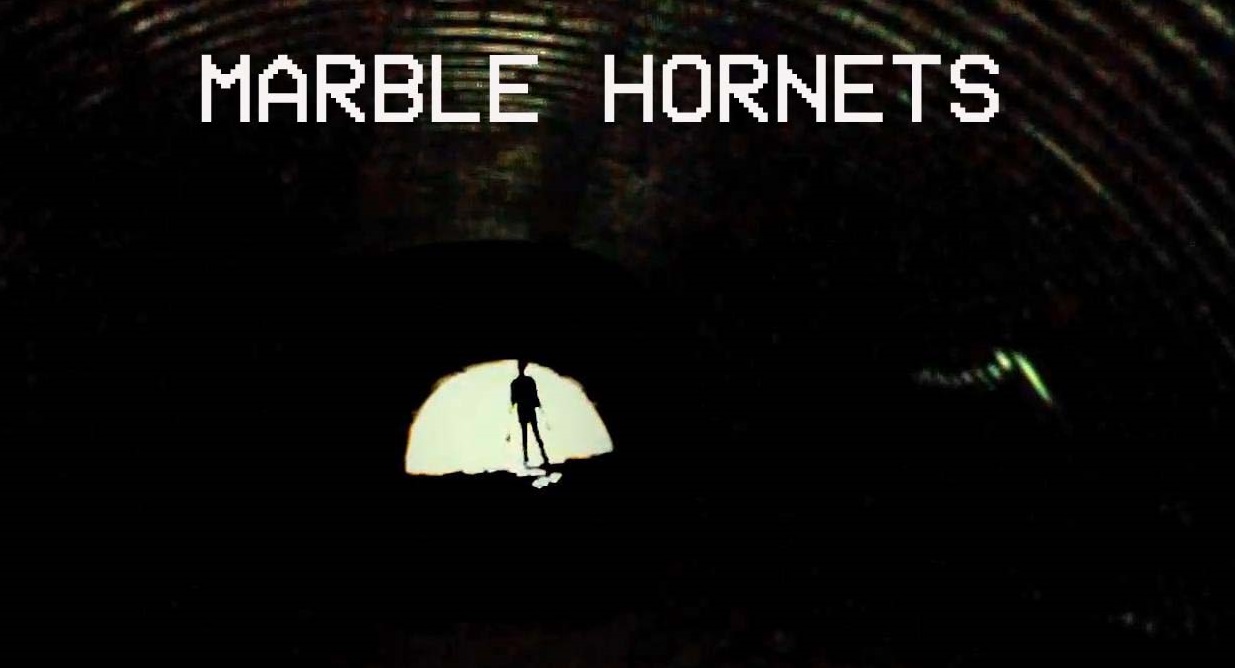 Closely related to Slenderman is the web series
  Spidey Librarian